
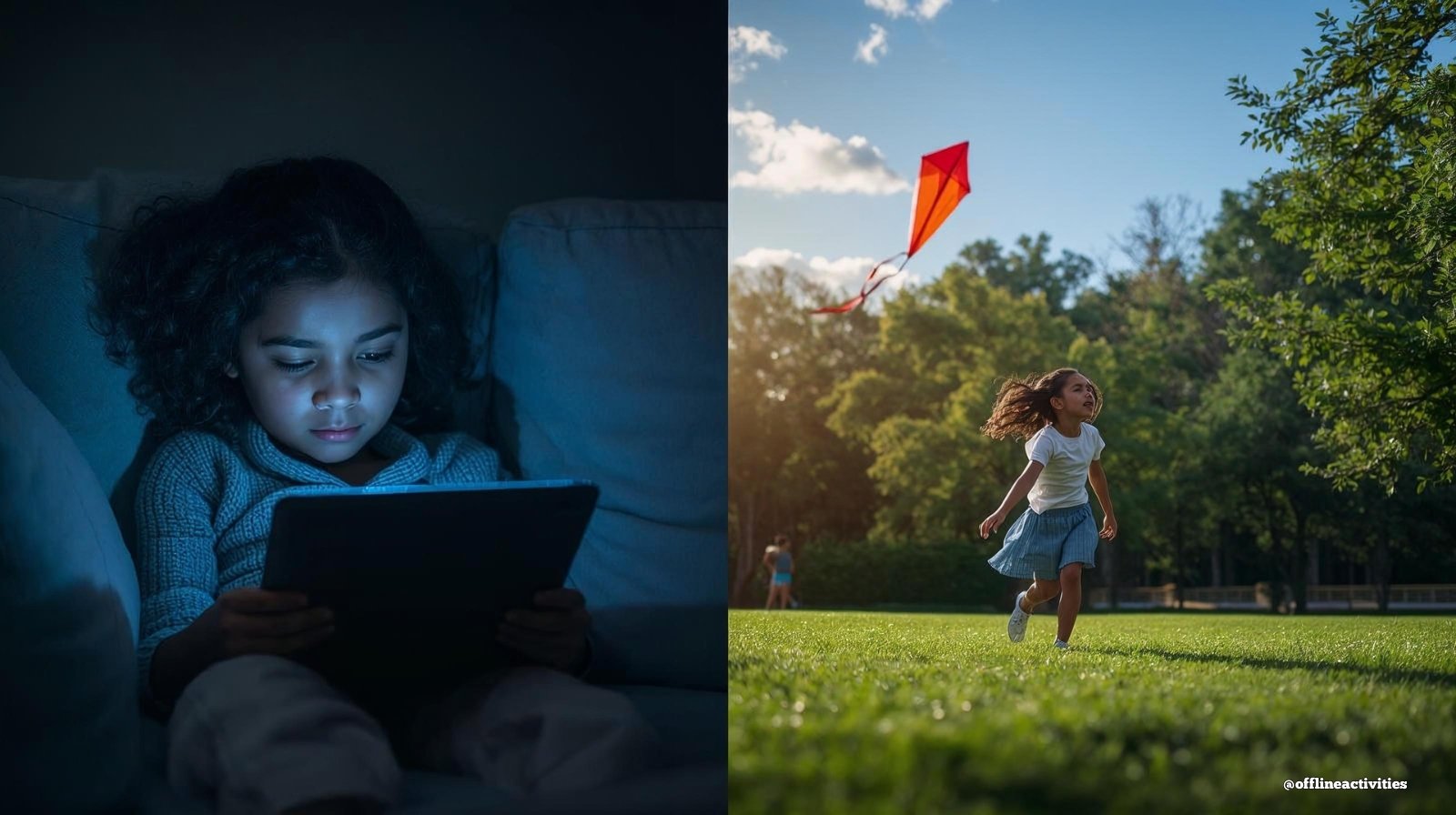
In today’s digital age, many parents find themselves frequently questioning how damaging screen time is for kids. With the rise of smartphones, tablets, and computers, children are more exposed to screens than ever before. This significant shift in how kids spend their free time can impact their physical health, mental well-being, and social skills.
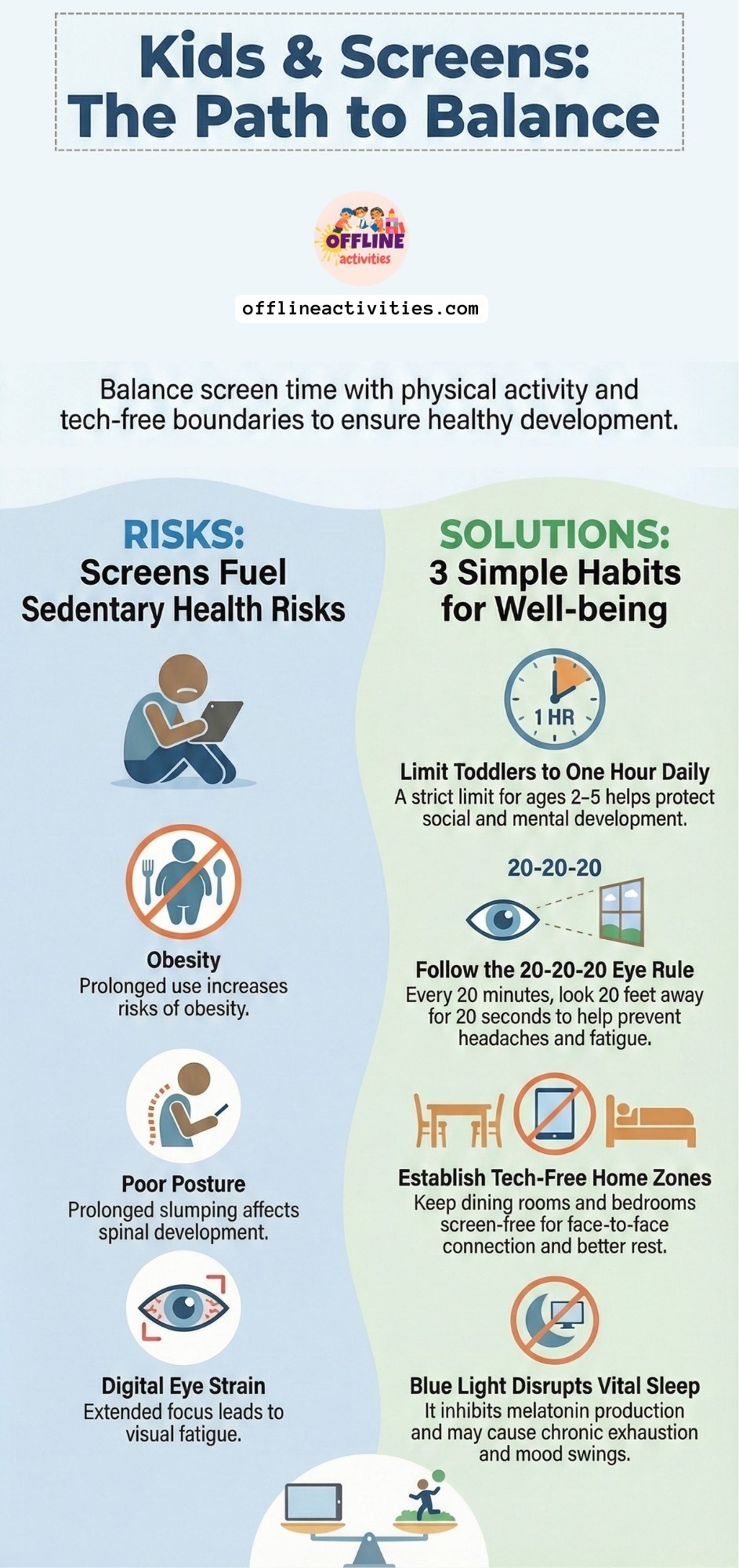
One of the primary concerns related to excessive screen time is its effect on physical health. Many children now engage in less outdoor play, leading to a sedentary lifestyle. This lack of physical activity can contribute to obesity, which has become a growing problem among young people. Experts recommend that children aged 2 to 5 should have no more than one hour of screen time per day, while kids aged 6 and older should have consistent limits on the amount of time spent on screens. Encouraging exercise and play outside is essential to balance the risks associated with screen time.
Moreover, extended screen use can lead to poor posture and eye strain. As children stare at screens for long periods, they may experience discomfort, headaches, or fatigue. To mitigate these risks, it’s vital to implement screen breaks. Encourage your child to follow the 20-20-20 rule: every 20 minutes of screen time, look at something 20 feet away for 20 seconds. This simple action can help alleviate some of the strain on their eyes.
Social skills can also be compromised by excessive screen time. While technology offers connectivity through social media and game platforms, these interactions are often less personal. Children may struggle with face-to-face communication and conflict resolution when they spend more time interacting with screens rather than peers. Parents should foster opportunities for real-world interactions, such as playdates and group activities, to build social skills and maintain healthy relationships.
Mental health is another critical area affected by excessive screen exposure. Research indicates a link between high screen time and increased anxiety, depression, and mood disorders in children. The instant gratification provided by games and social media can create unrealistic expectations and pressures, leading to feelings of inadequacy. Monitoring the type of content your children are consuming and encouraging positive, educational content can help mitigate negative effects on their mental well-being.
It’s essential to lead by example. Children often emulate their parents’ behavior, including screen habits. If you limit your own screen time, your child is more likely to follow suit. Create family activities that require no screens, such as board games, trips to the park, or cooking together. This will not only reduce screen time but also strengthen family bonds.
Setting boundaries around screen time can be beneficial for both parents and kids. Here are some practical tips:
- Establish Clear Rules: Set specific times and limits on screen use for each day.
- Create Screen-Free Zones: Designate certain areas in the home, like the dining room or bedrooms, as screen-free spaces.
- Engage in Media Together: Watch programs or play games together with your child to foster discussion and connections.
- Encourage Other Activities: Help children explore hobbies that do not involve screens, such as sports, reading, or art.
The effects of screen time are complex and multifaceted. While screens can provide educational content and entertainment, it’s crucial to remain vigilant about the amount and type of screen exposure. By fostering a balanced approach to technology, you can help protect your child’s physical health, mental well-being, and social development.
Ultimately, understanding how damaging screen time can be for kids is about finding balance. Open conversations with your children about their screen habits will help create awareness. Together, you can develop a healthier relationship with technology, ensuring it serves as a tool for learning and creativity rather than an isolating distraction.
The impact of excessive screen time on children’s mental health
In today’s digital age, children are surrounded by screens more than ever. From smartphones to tablets, and televisions to computers, kids have countless ways to engage with screens. But have you ever wondered how damaging excessive screen time can be for children’s mental health?
Screens can be engaging and educational, but too much exposure can lead to serious consequences. It’s essential for you as a parent or caregiver to understand what these might be and how to help your child find a balance.
Understanding Screen Time
Screen time refers to the amount of time a child spends in front of digital devices. This includes everything from entertainment, such as watching cartoons, to educational activities like online learning. While some screen time can be beneficial, the key is moderation.
Mental Health Effects
Excessive screen time can have various impacts on a child’s mental health, including the following:
- Increased Anxiety: Spending too much time on screens, especially social media, can lead to increased feelings of anxiety. Kids can feel pressure to present a perfect image online, which can weigh heavily on their self-esteem.
- Depression: Studies have shown a link between high screen time and depression in children. When kids spend less time interacting with their peers face-to-face, they may feel isolated and lonely.
- Attention Problems: Prolonged screen exposure can contribute to attention-related issues. Children may find it difficult to focus solely on one task, especially when they’re used to fast-paced digital experiences.
- Sleep Disturbances: Excessive screen time can disrupt sleep patterns. The blue light emitted from screens interferes with melatonin production, making it harder for kids to fall asleep.
- Behavioral Issues: Children who spend too much time in front of screens might exhibit more irritability and mood swings. This could stem from lack of physical activity or social interaction.
Physical Effects
The excess screen time doesn’t just affect mental health; physical health is also at stake. Children may develop unhealthy habits, which can lead to obesity. When kids are glued to their screens, they are more likely to snack mindlessly and less likely to engage in physical play.
Finding Balance
The question now is, how can you help your child find a healthy balance when it comes to screen time? Here are several strategies that might help:
- Set Limits: Establish clear guidelines for how much screen time is acceptable each day. This can vary by age but aim for a mixture of educational and entertaining content.
- Encourage Other Activities: Promote physical play, reading, or artistic hobbies that don’t involve screens. Help your child explore various activities that cater to their interests.
- Be a Role Model: Children learn from observing adults. Show them how to balance screen time by limiting your own. Engage in discussions about what you are watching or playing to promote understanding.
- Engage Together: Whenever possible, co-view or co-play with your child. Discuss the content and its relevance, ensuring they understand what’s being viewed.
Recognizing Warning Signs
Being aware of your child’s behavior can also guide you in understanding the impact of screen time. Watch for the following signs:
- Changes in mood or behavior, such as increased irritability.
- Withdrawal from family activities or friends.
- Difficulty sleeping or complaints about being tired.
- Decreased interest in hobbies that do not involve screens.
If you notice these changes, it may be time to reevaluate your child’s screen time and ensure they are prioritizing their mental well-being.
While screens can be a valuable tool for learning and entertainment, it’s essential to consider how excessive screen time can harm your child’s mental health. By setting limits, encouraging moderation, and being aware of changes in behavior, you can help pave the way for a healthier relationship with technology.
Balancing technology use and outdoor activities for kids
In today’s digital age, children are growing up in an environment filled with screens. From smartphones and tablets to televisions and video games, technology is a significant part of their lives. While technology offers many benefits, it’s essential to balance screen time with outdoor activities. Striking this balance can provide a broader range of experiences that boost physical health, creativity, and social skills.
Understanding the Need for Balance
Balancing technology use and outdoor activities for kids is vital for their overall development. Here are some reasons why this balance is necessary:
- Physical Health: Engaging in outdoor activities helps kids stay active and healthy. Physical exercise is essential for growing bodies and can prevent obesity.
- Mental Well-Being: Nature has a calming effect that can reduce stress and anxiety. When kids spend time outdoors, they can recharge mentally.
- Social Skills Development: Playing outdoors often involves teamwork and social interaction, which are crucial for improving communication and collaboration skills.
- Creativity and Imagination: Outdoor play encourages kids to explore and create their own games, fostering imaginative thinking.
Setting Screen Time Guidelines
To help your child navigate the digital world while still enjoying outdoor activities, it’s essential to set clear screen time guidelines. Here are some expert-recommended strategies:
- Age-Appropriate Limits: The American Academy of Pediatrics suggests no more than one hour of high-quality programming per day for children aged 2 to 5 years. For kids over 6, establish consistent limits based on your family values.
- Device-Free Zones: Create areas in your home, such as the dining room or bedrooms, where screens are not allowed. This promotes family time and encourages reading or conversation.
- Designate Outdoor Time: Make outdoor activities a part of your child’s daily routine. Schedule regular time for family walks, bike rides, or sports, ensuring they know outdoor play is a priority.
Encouraging Outdoor Activities
Encouraging kids to spend more time outdoors can be a fun and rewarding process. Here are some effective tips to inspire outdoor play:
- Be a Role Model: Show your child the joys of being active. Whether it’s hiking, gardening, or playing catch, your enthusiasm can motivate them to join you.
- Make It Social: Organize playdates or group activities in parks. Kids often enjoy being outdoors more when they can share experiences with their friends.
- Introduce New Activities: Explore different outdoor options such as nature scavenger hunts, rock climbing, or even camping trips, allowing them to discover what resonates with their interests.
- Game-Changing Tech: Use technology to enhance outdoor experiences. Apps that encourage nature exploration can combine learning with outdoor fun, turning a simple walk into an adventure.
Combining Technology and Nature
It’s possible to blend technology with outdoor activities effectively. Here are some ways to incorporate tech while encouraging outdoor engagement:
- Educational Apps: Utilize apps focused on nature identification. These can teach kids about plants, animals, and the environment while they are on nature walks.
- Fitness Trackers: Devices that track steps or physical activity can motivate kids to reach daily goals while playing outside.
- Photography: Encourage kids to take photos of their outdoor adventures. This merges creativity and technology and helps them appreciate their surroundings.
Balancing screen time with outdoor activities can lead to a healthier lifestyle for your child. By setting appropriate guidelines, encouraging outdoor play, and integrating fun technology, you can foster a well-rounded environment where your child thrives both online and offline. Take the first step today by planning outdoor activities that excite your children; this can have lasting effects on their growth and well-being.
Understanding the effects of screen time on sleep patterns in children
In today’s digital age, it’s hard to ignore the significant role technology plays in our lives. For children, screen time has become a normal part of daily routines, often used for entertainment, education, and communication. However, understanding the effects of screen time on sleep patterns in children is crucial for ensuring their overall well-being.
Children are particularly sensitive to the influences of various factors, especially as they grow and develop. Excessive screen exposure, particularly close to bedtime, can disrupt their natural sleep rhythms. This disruption often leads to challenging sleep patterns and can affect their mood, behavior, and academic performance.
One of the main effects of screen time on sleep is the influence of blue light emitted by devices such as smartphones, tablets, and computers. This light can interfere with the production of melatonin, a hormone essential for regulating sleep. As melatonin levels drop, children may find it harder to fall asleep, leading to reduced overall sleep time.
Research shows that children should ideally have a consistent sleep schedule and engage in relaxing activities before bed. Here are some key points to consider regarding screen time and sleep:
- Timing of Screen Use: Limit screen time in the hour leading up to bedtime. This practice can help in preparing a child’s body for sleep.
- Type of Content: Pay attention to what your child is engaging with. Content that is stimulating, violent, or overly exciting can lead to heightened emotions, making it tougher for kids to calm down.
- Duration of Use: Prolonged exposure can lead to significant sleep deprivation. Ensure screen time is balanced with physical activity and other healthy habits.
- Device Choices: Opt for non-screen activities like reading or playing board games, especially in the evenings. Books can often be more soothing and conducive to sleep.
Furthermore, children who frequently use screens close to bedtime may develop a habit of staying up later than they should. This behavior can lead to chronic sleep deprivation, which has been linked to various health issues, including obesity, anxiety, and difficulty concentrating during the day.
Moreover, the habit of looking at screens before sleep can create a reliance on digital devices for relaxation or entertainment. This dependency can make it difficult for children to wind down naturally, affecting their ability to fall asleep unassisted. Transitioning away from screens can be challenging, but it’s achievable with practice and support.
Parents should consider creating a consistent nighttime routine that encourages relaxation without screens. Activities such as reading together, practicing mindfulness, or taking a warm bath can help signal to the child that it’s time to sleep. The key is involvement and consistency, which can foster healthy sleep habits over time.
Open discussions with children about the importance of sleep can also motivate them to recognize how screen time influences their rest. Help them set boundaries by collaborating on their schedules. Empowering children to make decisions about their screen time can lead them to feel more responsible and in control of their habits.
It’s also vital for parents to lead by example. If children observe their parents maintaining healthy screen usage, they are more likely to adopt similar behaviors. Modeling good habits not only reinforces the importance of balanced screen time but also shows the positive effects of adequate sleep on mood and energy levels.
Balancing screen time and sleep is essential for optimal development in children. By being aware of the effects of screen time on sleep patterns, parents can take proactive steps to create an environment conducive to healthy rest. Increasing awareness around screen usage and its impact on sleep can lay the foundation for healthier habits that will benefit children throughout their lives.
As technology continues to evolve, ongoing research and discussions about screen time will be necessary. Ensuring children get enough quality sleep should remain a priority, emphasizing the positive outcomes that can arise from balanced screen habits.
Strategies for parents to manage their child’s screen time effectively
Managing your child’s screen time can feel overwhelming, but with the right strategies, you can establish healthy habits that benefit their development. Screen time can influence various aspects of your child’s life, from physical health to social skills. By creating a balanced approach, you can help your child enjoy technology while minimizing its potential downsides.
Start by setting clear guidelines about screen usage. It’s helpful to establish rules early on. Make it a family activity to discuss the importance of balancing screen time with other activities. Be transparent about why these rules exist, focusing on benefits for both their physical and mental well-being.
One effective way to manage screen time is to create a daily schedule. You can include time for homework, chores, outdoor play, and screen activities. A structured plan helps your child understand when and how long they can use screens each day. This schedule should be flexible to allow for changes, but it’s good to have a framework to guide daily routines.
Consider the type of content your child engages with on screens. Quality matters far more than quantity. Encourage educational programs, apps, or games that stimulate creativity and learning. Be involved with your child’s screen time by watching shows or playing games together. This not only ensures quality but can also lead to meaningful conversations around what they’re viewing.
Encourage outdoor play and physical activities as alternatives to screen time. Set aside specific times for family outings or sports activities. This not only reduces screen usage but also fosters physical health and strengthens family bonds. Outdoor play helps children develop social skills and motor skills that screens cannot provide.
Model healthy screen habits yourself. Children often emulate their parents’ behavior, so set a good example by limiting your own screen time. Engage in other activities such as reading, cooking, or crafting. When they see you enjoying offline activities, they will be more likely to join in. Consider starting family game nights or book clubs that promote verbal communication and togetherness.
Use technology wisely by utilizing apps and tools designed to monitor screen time. Many devices have settings that allow you to track and limit usage. These tools can help you encourage healthy screen habits. Use them in a way that guides rather than penalizes, fostering a sense of responsibility in your child regarding their screen time choices.
Another effective strategy is to discuss and set consequences for excessive screen use. If rules are broken, the consequences should be clear and fair. Approach this with a mindset of teaching rather than punishment. For example, if a child exceeds their screen time, encourage them to engage in an alternative activity that you both enjoy. This promotes learning about balance without instilling feelings of resentment.
Involve your child in the decision-making process. Allowing them to have input on screen time rules can create a sense of ownership and responsibility. They may have ideas about how to balance activities better, or they might suggest alternatives that you hadn’t considered. Engaging them in this way can improve compliance and foster cooperation.
As technology continues to evolve, so will the challenges around screen time. Stay informed about new trends and tools. Keep communication open with your child about their online experiences and the potential risks they may encounter. This will help them develop critical thinking skills and the ability to make safe choices online. Foster an environment where they feel comfortable coming to you with concerns or questions about their digital world.
By implementing these strategies, you can cultivate a balanced approach to screen time for your child that promotes healthy habits. Remember, the aim is not to eliminate screen time altogether but to find a safe and beneficial balance that supports your child’s overall well-being.
MORE PUZZLES FOR YOU:
Screen Free Activities For 2 Year Olds
How to Motivate Kids to Learn Offline?
How To Encourage Creative Drawing In Young Children
Things To Do Without Technology At Home
Conclusion
Screen time can have various effects on children, and being aware of these impacts is essential for parents. Excessive screen time has been linked to mental health issues such as anxiety and depression in kids. When screens dominate their day, children may miss out on important social interactions, making it crucial to find a healthy balance. Encouraging outdoor play and physical activities can be a great way to counteract the negative effects of too much screen exposure.
Moreover, screens can disrupt sleep patterns, leading to restlessness and tiredness. Establishing a tech-free bedtime routine is an effective strategy for promoting better sleep quality, allowing children to recharge both physically and mentally. Parents play a key role in managing their child’s screen time by setting limits, establishing tech-free zones, and modeling good screen habits themselves.
Open discussions about technology use can also help children understand the importance of moderation and encourage them to engage in a variety of activities. By creating a balanced environment where screens do not replace quality time with family and friends, parents can foster healthier development in their children. Taking these steps can significantly reduce the potential harmful effects of screen time while still allowing kids to enjoy the benefits of technology. Emphasizing balance, awareness, and communication will create a healthy framework for children’s technology use, ultimately supporting their overall well-being.