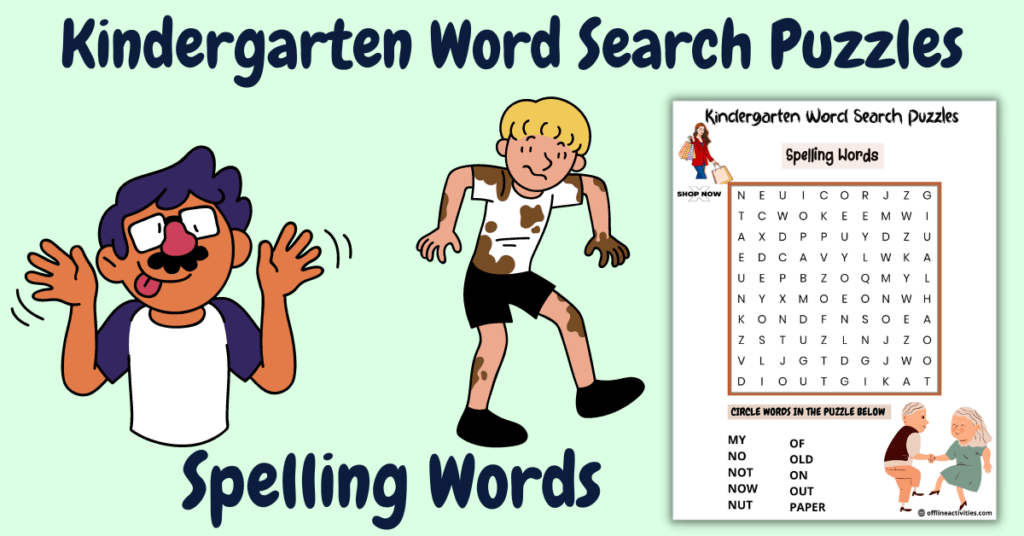
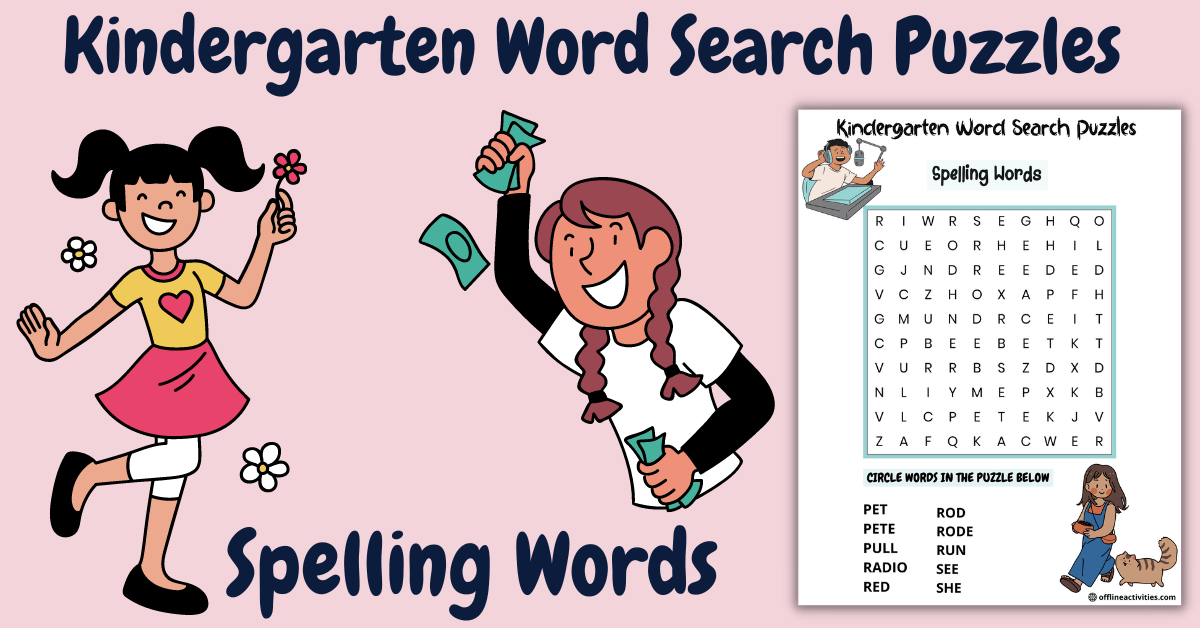
During a quiet literacy block in a kindergarten classroom, it is easy to notice how some children eagerly engage with letters while others hesitate, unsure where to begin. Even simple spelling practice can feel overwhelming when words are presented only as lists to memorize. This is where word search puzzles quietly shine. By turning spelling words into a playful visual challenge, this printable activity helps children notice patterns, recognize familiar letters, and build confidence without pressure. In this article, you will discover how kindergarten word search puzzles support early literacy, how to use them effectively at home or in class, and why they remain a trusted, screen-free learning tool for young learners.
Why This Activity Works
Word search puzzles support several essential early learning skills at once. First, they strengthen visual attention and focus. Children must scan the grid carefully, moving their eyes from left to right and top to bottom, which mirrors early reading behaviors. At the same time, they develop letter recognition and spelling awareness as they search for known words like PET, RUN, or SEE among many similar letters.
In addition, this type of activity supports problem-solving skills. Children learn to slow down, look for clues, and adjust their strategy when a word is not found right away. Fine motor skills also play a role, especially when children circle or highlight the words they find. Holding a pencil, controlling hand movements, and following lines all contribute to stronger writing readiness.
Screen-free activities matter because young children learn best through hands-on experiences. Research in early childhood education consistently shows that short, focused paper-based tasks can improve attention span and reduce cognitive overload. When children are not distracted by animations or sounds, they are better able to concentrate on the learning goal in front of them.
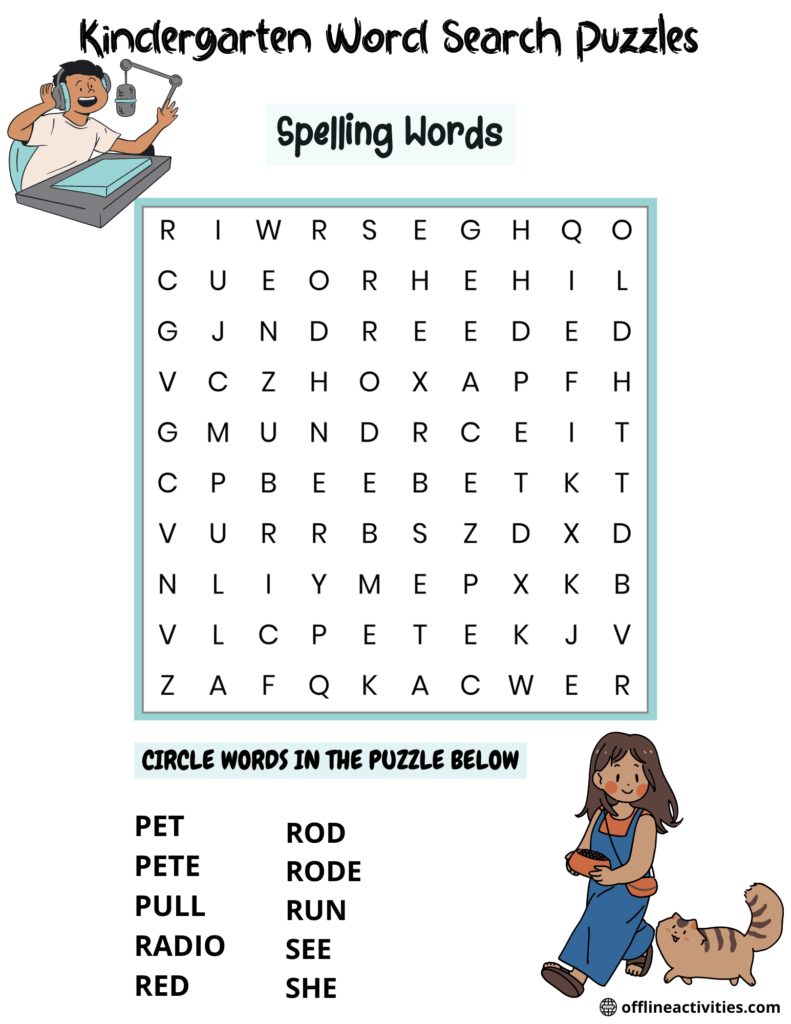
Print Puzzle
MORE PUZZLES FOR YOU:
Word Find free – Spelling Words
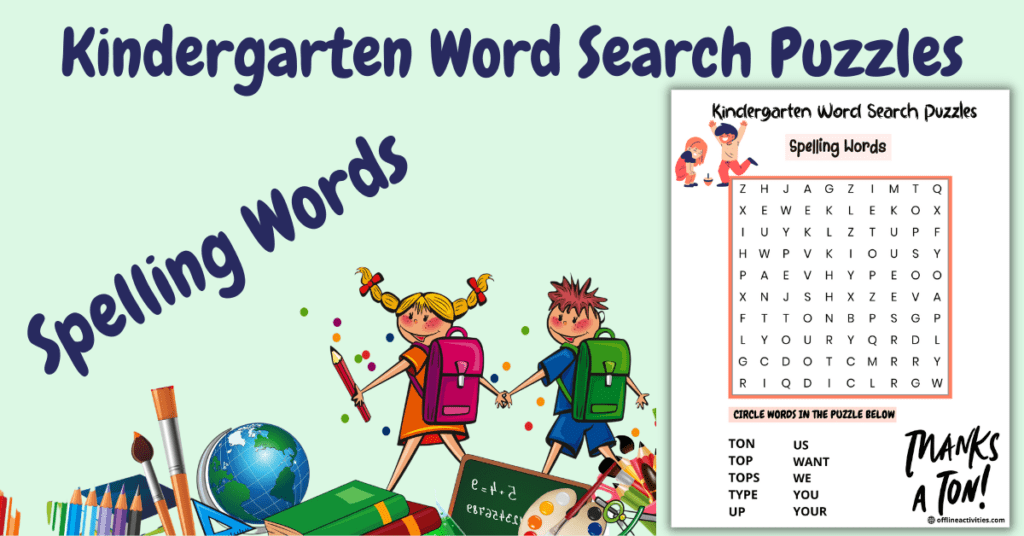
Word Search Puzzles Online for Free – Spelling Words
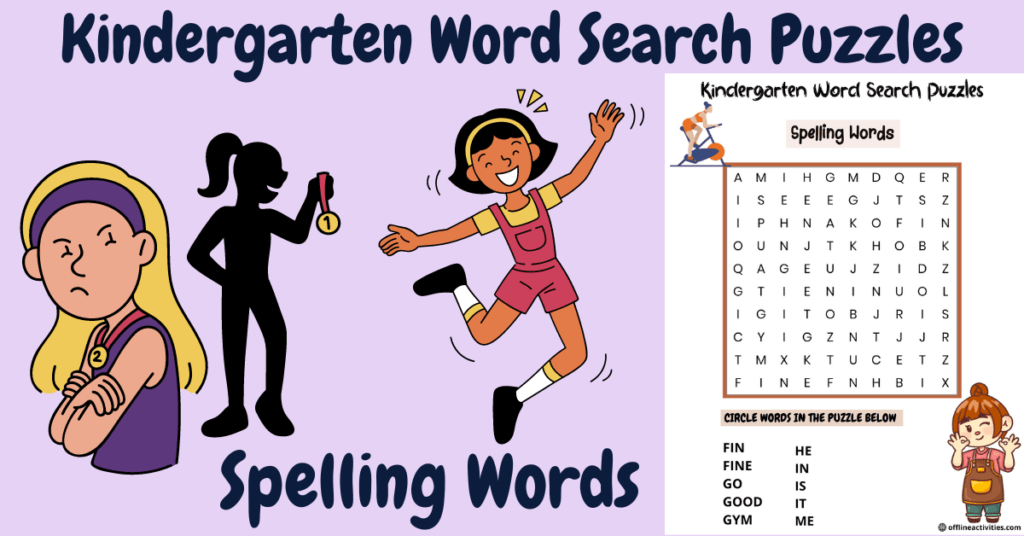
Kindergarten Word Search Puzzles – Spelling Words