

In a world filled with screens and constant notifications, taking a break from technology can be refreshing. Finding enjoyable things to do without technology at home allows you to explore your creativity, enhance your skills, and rejuvenate your mind. Here are some exciting activities you can try all by yourself.
Unleash Your Inner Artist
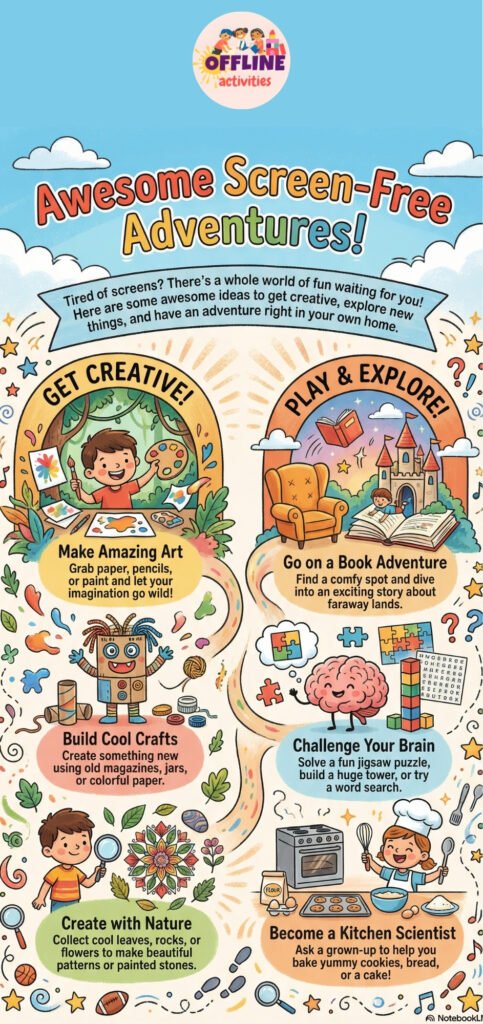
Art is a fantastic way to express yourself. You don’t need to be a professional to have fun. Gather some supplies like paper, pencils, watercolors, or even basic craft materials. Here are some artistic endeavors to consider:
- Doodling and Sketching: Grab a sketchbook and let your imagination flow. You can draw whatever comes to your mind.
- Painting: Use watercolors, acrylics, or even DIY paints made from kitchen supplies. Experiment with abstract art or landscape painting.
- Crafting: Create handmade gifts or decor. Use items around your house, like old magazines for collages or jars for candle holders.
Get Lost in a Book
Reading is one of the most enriching activities you can indulge in alone. Get comfortable in your favorite chair or cozy blanket and dive into a book. Here are a few genres you might explore:
- Fiction: Lose yourself in adventurous tales or heartwarming stories.
- Non-Fiction: Learn something new! Biographies or self-help books can be enlightening.
- Poetry: Read or write your own poetry. You can capture your feelings or thoughts in a unique way.
Find Your Rhythm
Music has the power to transform your mood. You can engage in activities that let you explore sound in different forms:
- Playing an Instrument: If you have an instrument at home, practice playing it. Whether it’s a guitar, piano, or even a ukulele, it’s a delightful way to spend your time.
- Songwriting: Try writing your own songs or lyrics. Consider the emotions you want to convey and put pen to paper.
- Creating Playlists: Curate playlists of your favorite songs for different moods or activities, like working out or relaxing.
Culinary Adventures Await
Cooking or baking can be both practical and creative. It’s an opportunity to explore flavors and create something delicious:
- Experiment with Recipes: Try a new recipe or modify an old favorite. Let your creativity guide you!
- Baking: Bake cookies, bread, or cakes. You can find joy in measuring ingredients and watching them transform.
- Meal Prepping: Prepare meals for the week ahead. This can save time later and gives you an excuse to try out new dishes.
Engage Your Mind with Puzzles
Puzzles are an excellent way to challenge yourself and enhance your problem-solving skills:
- Jigsaw Puzzles: Spend time piecing together colorful images. It can be satisfying to see the completed picture.
- Crosswords or Sudoku: Test your knowledge and logic with these classic brain games.
- Build Models: Try crafting with building blocks or kits available at home. You could create structures, vehicles, or even imaginative worlds.
Journaling Your Thoughts
Journaling is a wonderful way to reflect on your thoughts and feelings. It can help you process emotions and gain clarity:
- Daily Journaling: Write about your day, what you’re grateful for, or your future aspirations.
- Creative Writing: Let your imagination run wild with short stories or dialogues, exploring different scenarios.
- Prompt Writing: Use prompts to inspire your writing sessions. It can lead to unexpected and enlightening insights.
Exploring these activities can provide you with a sense of fulfillment and joy. Taking off the technological constraints allows you to engage in your surroundings fully. Enjoy the moments of creativity and reflection that arise when you embrace life beyond screens! You may discover new passions, enhance skills, and enrich your daily routine. Remember to have fun and savor every moment you dedicate to yourself.
The Benefits of Disconnecting: How Unplugging Can Enhance Your Well-Being
In today’s fast-paced world, continuous connectivity through technology often leaves little space for self-reflection and relaxation. Unplugging from devices can lead to significant benefits for your mental, emotional, and physical well-being. When you take a break from technology, you give yourself time to pause, breathe, and reconnect with your inner self. Here are several ways disconnecting can enhance your life.
Reduces Stress and Anxiety
One of the most immediate benefits of unplugging is a noticeable reduction in stress and anxiety levels. Constant notifications and a never-ending stream of information can create a feeling of overwhelm. By stepping away from screens, you can reclaim your attention and focus. Give yourself permission to relax without the pressure of checking your phone or emails.
Improves Sleep Quality
Many studies show that the blue light emitted from screens disrupts our natural sleep cycle. When you unplug from technology, especially in the evening, it can enhance sleep quality. Without the distractions of devices, you can establish a bedtime routine that promotes relaxation. This might include:
- Reading a book
- Taking a warm bath
- Meditating
- Writing in a journal
These activities can help wind down your mind and prepare your body for restful sleep.
Enhances Creativity
Disconnecting from technology allows your mind to wander freely. This lack of external stimuli can spark creativity. When you’re not bombarded by social media or news, you can think more clearly and creatively. Ideas can flow more naturally when you let go of the constant influx of information.
Encourages Mindfulness
Being present in the moment is a key aspect of mindfulness. By stepping away from devices, you can engage more fully with your surroundings. This might mean taking a walk in nature, savoring a cup of tea, or simply sitting in silence. Practicing mindfulness can lead to a greater appreciation for life’s small joys and keep you grounded.
Promotes Better Relationships
When you put down your phone and disconnect, you give yourself the chance to improve your relationships with those around you. Engaging in deeper conversations face-to-face can strengthen bonds with family and friends. When you’re present without the distraction of technology, you can listen better and respond more thoughtfully, leading to more meaningful interactions.
Boosts Productivity
A surprising benefit of unplugging is increased productivity. With fewer distractions, you can concentrate on tasks and finish projects more efficiently. This can be particularly beneficial if you’re working from home. Set designated times for your work, and transition to tech-free activities to refuel your energy.
Inspires New Hobbies
When you disconnect, you free up time to explore new hobbies or rediscover old ones. Here are some ideas:
- Gardening
- Painting or drawing
- Cooking or baking
- Playing an instrument
Hobbies not only provide enjoyment but can also serve as a productive way to spend your time. By focusing on offline activities, you can enhance your skills and explore interests that technology may have overshadowed.
Improves Physical Health
Spending less time sitting in front of a screen means you’re likely to become more physically active. Engage in activities like hiking, dancing, or even simple stretching exercises. Physical activity boosts your mood and improves your overall health. Furthermore, taking regular breaks from screens reduces eye strain and improves posture.
In essence, taking time to unplug can lead to a more balanced, fulfilling life. Embracing moments of silence away from screens can rejuvenate your mind and body, allowing for better mental clarity and emotional stability. Next time you feel overwhelmed by technology, remember the benefits that come with disconnecting for a little while. Incorporate tech-free moments into your daily routine and experience the positive shift in your well-being.
Cultivating Hobbies: Engaging in Arts and Crafts Without Digital Devices
In a world buzzing with the sounds of notifications and the constant allure of screens, it can be refreshing to escape into the tactile and creative world of arts and crafts. Engaging in these hobbies allows you to express yourself while also taking a break from technology. Whether you’re alone at home or just need a little downtime, cultivating hobbies in the realm of arts and crafts can be rewarding and relaxing.
One of the first steps to leave technology behind is to gather your materials. You don’t need to buy expensive kits; many projects can be completed with supplies you already have at home. Consider using old newspapers, magazines, or fabric scraps for collage and decoupage. A simple trip to your storage room or craft box could be the gateway to your next creative project.
Painting and Drawing
If you want to immerse yourself in colors, consider painting or drawing. Here are some engaging ideas:
- Sketching: Start with pencil and paper. Draw anything from your favorite view to a still life of objects in your home.
- Watercolor Painting: Use watercolors to create vibrant paintings. This medium is forgiving and allows for experimentation.
- Acrylic or Oil Painting: Create bold artwork using acrylics or oils. This method can be more complex but also incredibly rewarding.
As you paint or draw, remember that there’s no wrong way to create. Allow yourself to make mistakes; they often lead to unexpected and delightful results.
Crafting with Paper
Paper crafts are an excellent way to engage your mind while creating something beautiful. Here are a few ideas to get you started:
- Origami: This traditional Japanese art of folding paper can be a fun challenge and requires only a piece of paper.
- Scrapbooking: Organize your memories by combining photos, ticket stubs, and other keepsakes to create a scrapbook that tells a story.
- Card Making: Make personalized greeting cards for family and friends. It’s a thoughtful way to show someone you care.
Using paper also allows you to experiment with cutting, gluing, and layering various textures. The tactile nature of these projects is both satisfying and engaging.
Textile Arts
If you have an interest in fabrics, try your hand at textile arts. Here are some enjoyable ways to explore:
- Knitting or Crocheting: These timeless crafts let you create cozy scarves, blankets, or even toys. All you need are some yarn and needles.
- Embroidery: Grab a needle and thread to start personalizing clothing or fabric pieces. This can be a fun and expressive way to add flair to your wardrobe.
- Sewing: If you have a sewing machine or enjoy hand sewing, consider making simple items like bags, pillows, or even clothing alterations.
Textile arts not only offer endless possibilities for creativity but also grant you a sense of accomplishment once you finish a project.
Creating with Nature
Natural materials can serve as a great source of inspiration and creativity. Here’s how to utilize what the environment around you provides:
- Nature Mandalas: Collect leaves, flowers, and stones from your garden or a nearby park and arrange them in beautiful circular patterns.
- Rock Painting: Use rocks as your canvas. You can paint cheerful designs or inspirational messages to decorate your garden or surprise someone.
- Flower Pressing: Press flowers between heavy books. Once dried, you can use them for various crafts or create beautiful bookmarks.
This approach not only helps cultivate creativity but also allows you to reconnect with nature, providing a refreshing experience without the need for technology.
Engaging in arts and crafts without technology fosters mindfulness, boosts creativity, and enhances problem-solving skills. Each hobby you explore enriches your life and allows you to develop new skills. So, gather your supplies, get comfortable, and let your imagination flourish as you dive into the world of arts and crafts!
Mindfulness and Reflection: Using Journaling and Meditation at Home
In today’s fast-paced world, taking a step back to embrace mindfulness and reflection can bring incredible benefits to your mental health and overall well-being. One of the easiest ways to practice mindfulness at home is through journaling and meditation. These activities can help you gain clarity, reduce stress, and foster deeper connections with yourself. Here are effective strategies you can employ to incorporate these practices into your daily life.
Journaling: Your Personal Reflection Space
Journaling is an excellent way to express your thoughts and feelings. It provides a safe space for you to explore emotions, clarify your mind, and track your growth over time. Here are some tips on how to create a productive journaling practice:
- Choose Your Medium: Decide whether you’d prefer writing in a physical notebook or typing on a computer. Choose what feels most comfortable for you.
- Set a Routine: Aim to journal at the same time daily or weekly. This consistency makes it easier to turn journaling into a habit.
- Start Small: If you’re new to journaling, begin with just a few sentences or bullet points each session. Gradually increase your writing as you become comfortable.
- Be Honest: Write freely without fearing judgment. This is your private reflection space. Honesty will allow for deeper insights.
- Use Prompts: If you’re struggling with what to write, consider using prompts. Examples include “What made me smile today?” or “What challenges did I overcome this week?”
Understanding Meditation: Finding Your Inner Peace
Meditation is a powerful practice that helps you cultivate mindfulness and focus on the present moment. It can increase self-awareness and promote emotional well-being. Here’s how to get started with meditation at home:
- Create a Peaceful Environment: Find a quiet spot free from distractions. You may want to use candles, soft lighting, or calming scents to enhance the atmosphere.
- Start with Short Sessions: If you’re just starting out, aim for 5 to 10 minutes of meditation. As you grow more comfortable, you can gradually increase the duration.
- Focus on Your Breath: Pay attention to your breathing. Inhale deeply, let it out slowly, and observe the sensation of breath entering and leaving your body.
- Redirect Your Thoughts: It’s natural for thoughts to wander during meditation. When this happens, gently redirect your attention back to your breath without judgment.
- Explore Different Techniques: Zen, guided, and body scan meditations are just a few methods to explore. Finding what resonates with you can make your practice more enjoyable.
Combining Journaling and Meditation
Using journaling and meditation together can create a powerful mindfulness routine. You can meditate before journaling to clear your mind and access deeper thoughts. Alternatively, you could meditate after journaling to reflect on what you’ve written. This integration allows for a more profound understanding of your inner self.
Benefits of Mindfulness and Reflection
By engaging in journaling and meditation at home, you can experience numerous benefits:
- Enhanced Self-Awareness: Both practices encourage you to dig deeper into your thoughts and feelings, leading to greater self-awareness.
- Stress Reduction: Mindfulness techniques can help combat stress and anxiety, aiding in relaxation.
- Improved Focus: Regular meditation practice can sharpen your concentration and increase productivity in daily tasks.
- Emotional Regulation: By reflecting on your feelings through journaling, you can better understand your emotions and develop healthier responses.
- Personal Growth: Tracking your thoughts and feelings over time allows you to notice patterns and growth, leading to personal development.
Mindfulness through journaling and meditation creates space for self-discovery and emotional healing. Whether you’re seeking clarity, peace, or personal growth, these practices offer valuable tools for navigating life’s challenges. Remember, the key is consistency and an open heart.
Rediscovering the Joy of Reading: Building a Personal Library Without Screens
In today’s fast-paced world, we often find ourselves glued to screens, missing out on one of the simplest pleasures: reading. Rediscovering the joy of reading can bring a sense of calm and satisfaction. You don’t need fancy gadgets or an internet connection to enjoy it—just some good books and a cozy corner at home. If you’re looking to build a personal library without screens, here are some engaging ways to dive into the world of literature.
Dive into a Variety of Genres
Start by exploring different genres to find what captivates you the most. Whether you enjoy mystery, fantasy, science fiction, or non-fiction, having a range of books at your disposal can keep your reading experience diverse and exciting. Here are some genres to consider:
- Fiction
- Non-fiction
- Biographies
- Poetry
- Classics
- Graphic Novels
Visit Your Local Library
Your local library is a treasure trove of books waiting to be discovered. Visiting your library can be a fun adventure. You can explore shelves filled with books you never knew existed. Most libraries also host events like book readings and signings, giving you a chance to meet authors and fellow book lovers.
Join a Book Club
Consider joining a book club where you can share your thoughts and experiences with others. A book club encourages you to read regularly, and discussing what you’ve read can deepen your understanding and appreciation of the material. If you can’t find a group nearby, you can start one with friends or family.
Create a Reading Nook
Transform a corner of your home into a cozy reading nook. This space should be free from distractions, where you can curl up with your favorite book. Add comfortable seating, soft lighting, and maybe a throw blanket for warmth. Making your personal space inviting will enhance your reading experience.
Organize Your Personal Library
As you grow your collection, organizing your personal library can be exciting. You can arrange your books in various ways, such as by genre, author, or color. Here’s a simple method to get you started:
- Gather all your books in one spot.
- Decide on your preferred organization method.
- Arrange the books accordingly and label shelves if necessary.
Set Reading Goals
Setting monthly reading goals can motivate you to pick up a book. Start small with a goal of reading one book a month and gradually increase it as you build the habit. Track your progress with a journal or a simple checklist to celebrate milestones. Knowing you have a target can make your reading journey more rewarding.
Embrace the Art of Journaling
After finishing a book, take time to reflect on it through journaling. Writing about your thoughts and feelings can enhance your comprehension and keep your memories of the book fresh. You can note down your favorite quotes, characters you liked, or even what you learned from the story.
Attend Book Fairs and Readings
Keep an eye out for book fairs and author readings in your area. These events can be exciting and inspiring, offering you new insights into your favorite authors and genres. Engaging with others who share your passion for books can spark new ideas and recommendations for your reading list.
Commit to a Digital Detox
Even though technology is a part of our daily lives, setting aside time for a digital detox can be revitalizing. Use this time to focus solely on reading. Without the distractions of screens, you’ll find that you can indulge deeper into stories, making each reading experience more fulfilling.
The art of reading fosters imagination and insight, giving you a chance to explore worlds beyond your own. By building a personal library at home without relying on technology, you invite tranquility and joy into your life. Dive into books, share your experiences, and make reading a cherished part of your routine.
Conclusion
Taking time to engage in activities without technology can be refreshing and invigorating. By exploring creative outlets, you can tap into your imagination and express yourself in unique ways. Activities such as painting, drawing, or crafting allow for boundless creativity, bringing joy into your home without the need for screens.
Disconnecting from technology not only revitalizes your mind but also offers significant benefits for your well-being. It allows you to slow down, breathe, and appreciate the present moment. Prioritizing your mental health can lead to increased productivity and overall happiness.
Cultivating hobbies such as knitting, scrapbooking, or gardening can be wonderfully rewarding. These activities not only fill your time but also help develop new skills and interests. Embracing the tactile nature of arts and crafts can ignite excitement and passion.
Mindfulness practices like journaling or meditation can enhance your reflective moments. These practices encourage self-awareness and emotional clarity, helping you navigate your thoughts and feelings more effectively. Dedicating time to these reflective activities can lead to a more peaceful mindset.
Rediscovering the joy of reading can transport you to new worlds and spark your imagination. Building a personal library can be a cherished endeavor, exposing you to various genres and authors without the distraction of digital devices.
Embracing these activities promotes a fulfilling and enriching life. You can find joy, creativity, and peace by engaging in activities without technology, leading to a deeper connection with yourself and your surroundings.
YOU MAY ALSO LIKE
How to Motivate Kids to Learn Offline?
How to Motivate Kids to Learn Offline?
Screen Free Activities For 2 Year Olds
What Are The Benefits Of No Screen Time